From Learning to Care: What to Anticipate in Your CNA Training Journey
The path to earning the title of a Certified Nursing Assistant starts with a structured blend of theoretical knowledge and practical application. Learners will examine key subject areas, from the study of anatomy to patient care techniques. This foundational learning sets the stage for practical experiences that develop essential abilities. Nevertheless, the transition from academic theories to real-world care environments brings forth new challenges and prospects. Recognizing these factors is crucial for those exploring this career. What discoveries emerge as the path progresses?
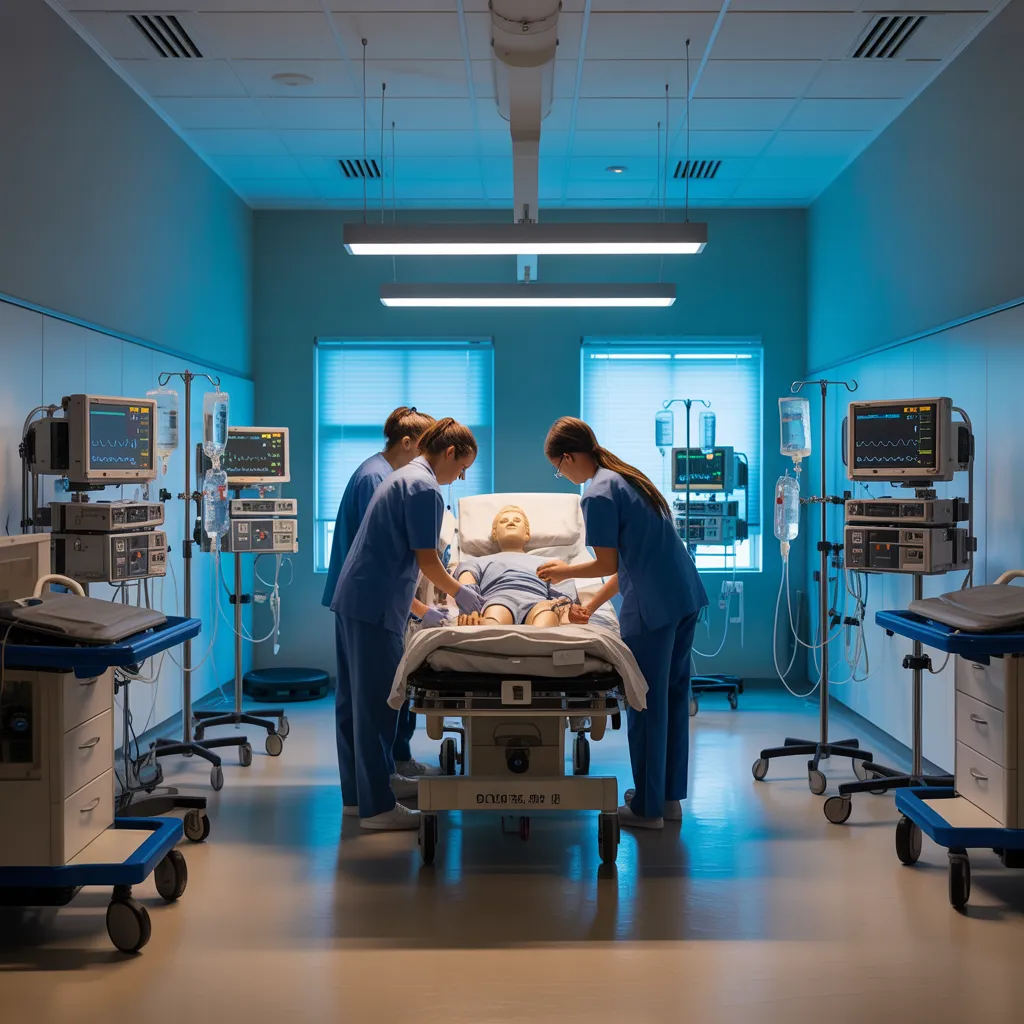
Comprehending the Duties of a Certified Nursing Assistant
CNAs also play a key role in preserving a clean and safe environment, which is fundamental to patient healing and recovery. They regularly deliver emotional support, enabling patients to manage their healthcare difficulties. This position demands excellent communication skills and genuine compassion, as CNAs maintain close interactions with patients and their families. In the end, the work of CNAs is vital in fostering high-quality care and elevating the patient experience overall in diverse healthcare environments.
Fundamental Skills for Effective CNA Practice
Acquiring essential skills is vital for successful CNA performance. Certified Nursing Assistants need to cultivate a variety of competencies to provide high-quality patient care. Of these, communication is particularly important; CNAs are required to communicate information effectively to both patients and healthcare teams. Furthermore, competence in fundamental medical tasks, such as taking crucial signs and assisting with daily activities, forms the foundation of their responsibilities.
Time management skills are equally important, empowering CNAs to organize their responsibilities effectively in typically high-speed healthcare environments. Empathy and compassion foster strong relationships with patients, enhancing their overall well-being. Moreover, adhering to infection control standards is vital for maintaining a safe care environment. Lastly, strong critical thinking supports the early detection of changes in patient conditions, enabling prompt and appropriate responses. By honing these skills, CNAs can greatly contribute to patient care and support the healthcare team's objectives.
Understanding the CNA Classroom Experience
The classroom experience for aspiring Certified Nursing Assistants is designed to equip them with the foundational knowledge and skills necessary for effective practice. Participants will encounter a well-organized course that addresses key subjects including anatomy, techniques for patient care, and interpersonal communication skills. Lectures, discussions, and multimedia presentations are standard teaching approaches, promoting a dynamic educational experience.
Educators, typically accomplished healthcare practitioners, provide valuable insights and real-world examples. Testing through quizzes and exams is used to assess understanding and retention of the subject matter. Additionally, participants may take part in group projects and case studies, developing cooperative skills and problem-solving capabilities.
The classroom atmosphere fosters interaction, permitting students to raise questions and better understand key concepts. This nurturing setting plays a critical role in fostering confidence before progressing to practical training. Overall, the classroom experience sets the stage for a rewarding career as a CNA, emphasizing the importance of both knowledge and compassion in patient care.
What Hands-On Training Looks Like for CNAs
Experiential learning for prospective Certified Nursing Assistants allows students to apply their classroom knowledge in real-world settings. This period generally occurs in healthcare environments, where students receive mentorship from qualified supervisors. They learn essential skills such as mobility assistance, fundamental medical techniques, and patient care protocols.
Throughout these sessions, students engage directly with patients, acquiring valuable experience in communication and empathy. They perform essential sign measurement, review patient care routines, and grow familiar with the healthcare environment.
Applied training further underscores teamwork and collaboration, as students frequently collaborate with various healthcare team members. Such experiences not only enhance their practical skills but also promote a more comprehensive grasp of the interdisciplinary nature of patient care.
In the end, this applied training is significant in training future CNAs for the difficulties and obligations they will handle in their professional lives, offering them detailed information a firm foundation for their career development.
Steps to Earning Your CNA Certification
After completing practical training, aspiring CNAs must undergo the certification process to become officially recognized in the profession. The procedure typically begins with enrolling in a state-sanctioned certification examination, which frequently consists of both written and practical components. Applicants are encouraged to carefully examine the requirements outlined by their state's licensing board, as rules and standards are subject to change from state to state.
In preparation, many opt to utilize study guides or take practice tests that align with the exam's subject matter. After successfully completing the exam, candidates typically receive a certification that allows them to work as a CNA.
In addition to achieving a passing score on the exam, certain states might also require background screenings or supplementary training certifications. Upon receiving certification, CNAs must also stay informed about continuing education obligations to preserve their certified status. This route is critical for making sure that prospective CNAs possess the essential knowledge and competencies to deliver high-quality care across a range of healthcare environments.
Professional Paths for CNAs
Considering different professional avenues, CNAs (CNAs) can discover positions in a wide range of healthcare environments, including nursing homes, hospitals, and home health agencies. In medical centers, CNAs frequently support nursing personnel with essential sign monitoring, daily activities, and patient care, acquiring essential knowledge in fast-paced environments. Nursing homes provide CNAs with the chance to develop close relationships with individuals in their care, focusing on long-term care and emotional support.
Home healthcare agencies permit CNAs to work independently, providing care to patients at home, which encourages self-direction and tailored care. Furthermore, some CNAs may choose to specialize in fields like geriatrics or pediatrics, improving their expertise and professional value.
Over time , CNAs can advance to roles such as supervisory nursing positions or seek additional training to qualify as LPNs or RNs . Every route provides distinct chances for professional development and personal satisfaction in the healthcare field .
Common Questions and Answers
What Is the Average Pay for a CNA?
The standard pay for a Certified Nursing Assistant (CNA) typically ranges between $25,000 and $35,000 per year, based on factors including the specific healthcare facility, location, and level of experience.
Are There Age Restrictions for CNA Training?
The age requirements for CNA training programs commonly mandate that applicants be no younger than 18 years old. There are programs that may accommodate candidates as young as 16, given that they fulfill certain criteria, such as obtaining parental consent and adhering to state regulations.
Is It Possible to Work Part-Time During Training?
Indeed, individuals can work part-time while undergoing CNA training. Juggling employment and coursework may provide financial support, but diligent scheduling is crucial to ensure the successful conclusion of the training program and hands-on experience.
What if I Fail the Certification Exam?
If one fails the certification exam, they have the option to retake it after a required waiting period. Numerous candidates discover that further study and practice enhance their chances, cultivating resilience and a greater comprehension of the material.
Are There Online CNA Training Options Available?
Yes, various online CNA training programs exist, enabling flexibility for learners. These programs typically merge virtual classes with hands-on clinical experience, enabling learners to finish theoretical components remotely while fulfilling essential clinical demands at specified sites.
Comments on “cna classes bristol ct for entry level medical jobs”